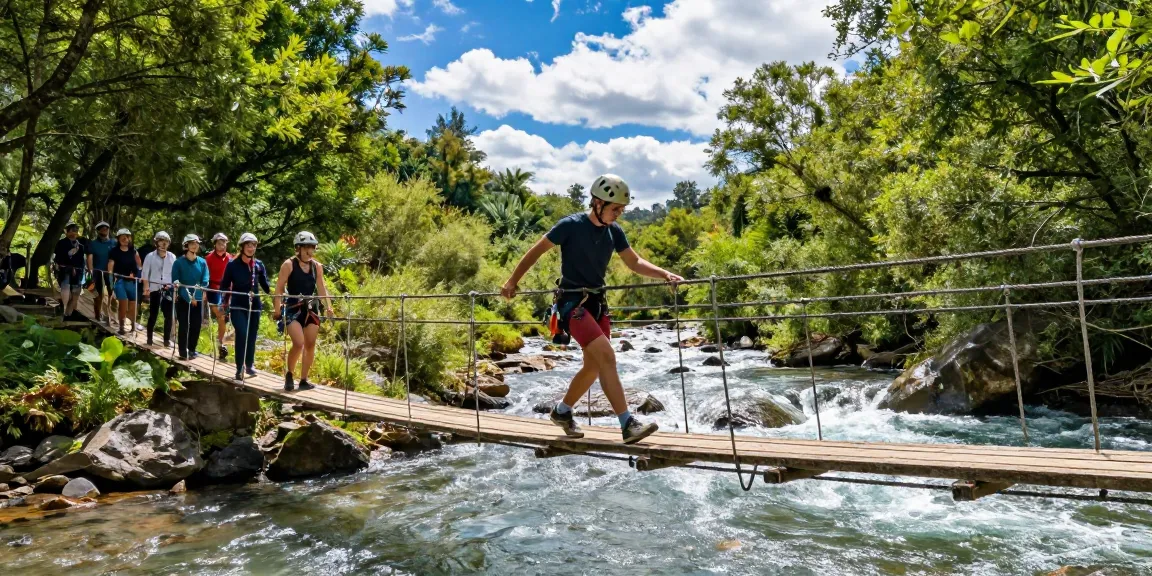
The Evolution of River Rope Bridges
From humble beginnings to engineering marvels, the evolution of river rope bridges has been influenced by cultural practices, technological advancements, and the necessity for safe river crossings. These structures have served not only as practical solutions for crossing waterways but also as symbols of community and adventure, allowing exploration of rugged terrains while fostering outdoor activities. The progression in design and materials over the years reflects a growing understanding of safety and environmental considerations. When exploring options, River Rope Bridge designs have become increasingly sophisticated, catering to a variety of users from hikers to thrill-seekers.
Historical Overview of Rope Bridge Construction
Rope bridges have their roots in various cultures around the world, primarily designed to help communities navigate the rough terrains of valleys and gorges. Early examples, such as the Inca's Qeswachaka bridge in Peru, were constructed using grass and other natural fibres, showcasing ingenious techniques adapted to local conditions. These bridges often required maintenance as their materials would degrade over time, necessitating a skilled craftsmanship that has been passed down through generations.
Modern Innovations in Rope Bridge Design
Today’s river rope bridges are vastly different from their ancient counterparts. The use of advanced materials such as synthetic fibres and steel cables has enhanced their durability and load-bearing capacity. Modular designs enable quicker installation and disassembly, allowing for temporary crossings during events or seasonal activities. The introduction of computer-aided design (CAD) software has also played a pivotal role in creating bespoke solutions that cater to specific environmental conditions and user requirements.
Impact of Technology on Safety Features
With innovations in technology, safety features in river rope bridges have seen significant improvements. Modern bridges incorporate features such as stabilising systems, safety nets, and advanced anchoring techniques that ensure the safety of users. Regular inspections using drone technology allow for timely identification of wear and tear, providing peace of mind to those using these structures.
Benefits of River Rope Bridges
River rope bridges offer numerous advantages, enhancing outdoor experiences while promoting sustainable practices. These structures not only facilitate easy access across bodies of water but also reduce the need for intrusive construction methods that can harm local ecosystems. Their lightweight design minimizes impact on the environment, allowing natural habitats to thrive alongside human activity.
Enhancing Outdoor Recreational Activities
As outdoor recreation continues to gain popularity, river rope bridges serve as vital links in trail systems and adventure parks, helping connect enthusiasts with nature. They facilitate activities such as hiking, biking, and wildlife observation by providing safe and scenic routes. Moreover, they can enhance tourism, attracting visitors looking for new adventures and experiences.
Environmental Impact and Sustainability
Choosing to construct a river rope bridge can be an environmentally friendly decision. These structures typically require less material than traditional bridges, thereby reducing the overall carbon footprint. Additionally, they can be designed to blend seamlessly into the natural landscape, preserving the aesthetic value of the environment. As communities become increasingly aware of sustainability, the demand for eco-friendly infrastructure continues to grow.
Community Engagement and Accessibility
River rope bridges foster community engagement by connecting different areas, making remote locations more accessible. They encourage local development and tourism while providing a space for recreation and community gatherings. As more people engage with nature, these bridges become vital for enhancing community identity and pride.
Choosing the Right River Rope Bridge
Selecting the most suitable river rope bridge requires careful consideration of several factors. Users must assess their needs against the structural capabilities of different designs, which can vary widely based on purpose, location, and budget.
Factors to Consider in Selection
- Location: The geographical features and climate of the area will significantly influence the type of bridge required.
- Intended Use: Determine whether the bridge will be used for pedestrian access, cycling, or even emergency services.
- Load Capacity: Understand the maximum weight the bridge will need to support, which can affect material choices and design.
Different Types of Rope Bridges
There are various types of rope bridges available, including:
- Suspension Bridges: These use cables suspended between towers to hold the deck, making them ideal for longer spans.
- Truss Bridges: Combining elements of both cable and beam designs, they provide excellent load distribution.
- Hammock Bridges: Featuring a flexible deck, these bridges are designed for low-impact crossings.
Cost Variations and Budget Considerations
The cost of building a river rope bridge can vary significantly based on design complexity, materials, and site conditions. On average, prices can range from a few thousand pounds for basic models to tens of thousands for elaborate, custom designs. It's crucial to obtain multiple quotes and consider both initial construction costs and long-term maintenance expenses.
Construction and Safety Guidelines
Building a rope bridge requires adherence to stringent safety guidelines and best practices. Understanding the essential construction processes is vital to ensuring a safe and functional structure.
Essential Materials for Building a Rope Bridge
Key materials for constructing a river rope bridge include:
- Ropes: Often made from synthetic materials for durability and resistance to weathering.
- Steel Cables: Used for added strength and stability in suspension designs.
- Decking Boards: Slats or boards that make up the bridge surface, typically treated for weather resistance.
Best Practices for Installation
When installing a river rope bridge, consider the following best practices:
- Conduct thorough site assessments and soil testing before anchor placement.
- Ensure appropriate tension is applied to cables and ropes to accommodate load.
- Work with certified professionals to ensure the bridge meets all safety standards and regulations.
Safety Regulations and Compliance Standards
Adhering to local safety regulations is paramount. These might include guidelines from regulatory bodies such as the Health and Safety Executive (HSE) in the UK, which dictates standards for construction and maintenance of outdoor structures. Regular inspections ensure compliance and facilitate timely repairs.
The Future of River Rope Bridges
As technology advances and outdoor recreation continues to evolve, the future of river rope bridges looks promising. Emerging trends in design focus on eco-friendliness, user experience, and sustainability.
Emerging Trends in Outdoor Adventure Designs
Future designs are likely to incorporate smart technology, allowing for real-time monitoring of structural integrity and usage patterns. Sustainable materials will continue to gain importance, with an emphasis on reducing environmental impact during and after construction.
Predictions for 2026 and Beyond
By 2026, we can expect to see a new generation of river rope bridges that are more integrated into their natural surroundings. Prefabricated elements will become standard, reducing construction time and minimising disruption to the environment. Furthermore, community-driven projects will likely enhance local engagement and investment.
Case Studies of Successful Projects Worldwide
Successful river rope bridge projects around the world serve as inspiration for future developments. For instance, the Khumbu Bridge in Nepal is renowned for its beautiful design and significant role in supporting local tourism and trekking routes. Similarly, the Carrick-a-Rede Rope Bridge in Northern Ireland illustrates how historic structures can be preserved while being adapted for modern use, drawing visitors from all around the globe.
What are the key features of River Rope Bridges?
Key features include flexibility, lightweight structure, and the ability to span significant distances while maintaining minimal environmental impact. Additionally, safety mechanisms are typically integrated to ensure user security.
How can I ensure safety while crossing a River Rope Bridge?
To ensure safety while crossing, follow all posted guidelines, use harnesses if provided, and traverse one at a time if the structure is designed for limited load. Always assess the bridge condition before crossing.
What materials are best for building a rope bridge?
High-strength synthetic ropes, steel cables, and treated wooden decking are considered the best materials for building durable and safe rope bridges. These materials resist weather elements and provide long-lasting integrity.
Where can I find River Rope Bridge kits for sale?
Rope bridge kits can typically be found at specialty outdoor equipment retailers, online marketplaces, or directly from manufacturers specializing in adventure infrastructure.
Are there famous River Rope Bridges to visit?
Yes, several famous river rope bridges, such as the Carrick-a-Rede in Northern Ireland and the Qeswachaka in Peru, offer stunning views and rich histories. Visiting these bridges provides insight into the engineering and cultural significance of rope bridges across the globe.