Understanding SHASHEL® Technology and Its Benefits
In the realm of pest control, particularly when dealing with wood-boring insects such as woodworms, the advent of SHASHEL® microwave technology offers a revolutionary approach. This innovative method not only ensures rapid elimination of pests but also emphasizes eco-friendliness and safety for users. As consumers and industries alike gravitate towards sustainable solutions, understanding the efficacy of SHASHEL® becomes paramount. When exploring options, SHASHEL® provides comprehensive insights into the benefits and application of microwave technology in pest management.
What is SHASHEL® Microwave Technology?
SHASHEL® microwave technology uses high-frequency electromagnetic waves to exterminate wood-boring insects, their larvae, and eggs within wooden structures. Unlike traditional pest control methods that often rely on harsh chemicals, this cutting-edge solution is chemical-free and safe for both humans and the environment. The microwaves penetrate the wood deeply, targeting the pests effectively and ensuring a thorough treatment process.
This technology can be utilized in various settings, from private homes to warehouses and even food storage facilities, showcasing its versatility and effectiveness in eliminating infestations quickly and efficiently.
How SHASHEL® Compares to Traditional Methods
Traditional pest control methods often involve toxic chemicals that can pose health risks and require lengthy applications with variable results. In contrast, SHASHEL® microwave technology provides immediate results, eliminating wood-boring insects within minutes. This swift action minimizes the risk of extensive damage to wooden structures, which can lead to costly repairs over time.
Moreover, SHASHEL®’s precision targeting means that it is not just effective against adult insects but also against their developmental stages, ensuring a comprehensive solution that traditional methods struggle to provide. This thoroughness results in a much lower chance of re-infestation.
Environmental Benefits of Using SHASHEL®
The environmental footprint of pest control is a vital consideration in today’s eco-conscious society. SHASHEL® technology significantly reduces chemical use, thereby minimizing the risk of harmful residues affecting the surrounding ecosystem. This eco-friendly approach aligns with global trends toward sustainability and responsible resource management.
Furthermore, the microwave treatment process generates negligible waste, as the destruction of pests occurs without the need for additional materials or packaging, setting a new standard for efficient pest management solutions.
Identifying Wood-Boring Insects
Common Types of Wood-Boring Insects
Wood-boring insects pose a significant threat to the integrity of wooden structures. Common types include:
- Woodworms: The larvae of various beetles, they feed on wood, causing considerable damage.
- Powderpost Beetles: These insects create fine powder as they bore through wood, often leaving visible signs of infestation.
- Longhorn Beetles: Known for their elongated antennae, the larvae of these beetles can cause extensive damage to hardwood.
Signs of Infestation in Wood Structures
Identifying an infestation early can save homeowners and businesses significant costs. Key indicators include:
- Small Holes: Exit holes on the surface of wood often indicate active infestations.
- Fine Sawdust: The presence of powder-like dust near infestation sites is a telltale sign of wood-boring insects.
- Cracked or Damaged Wood: Visible damage to beams, furniture, or flooring can imply a severe pest problem.
Preventive Measures Against Wood Pests
Preventing an infestation is always better than dealing with one post-factum. Here are some strategies:
- Regular Inspections: Conducting periodic evaluations of wooden structures can help catch potential infestations early.
- Proper Ventilation: Ensuring that wood is kept dry and properly ventilated can deter many wood-boring pests.
- Seal Cracks and Crevices: Filling gaps in wood structures prevents pests from entering and establishing nests.
How to Use SHASHEL® Equipment Effectively
Step-by-Step Guide to Operating SHASHEL® Machines
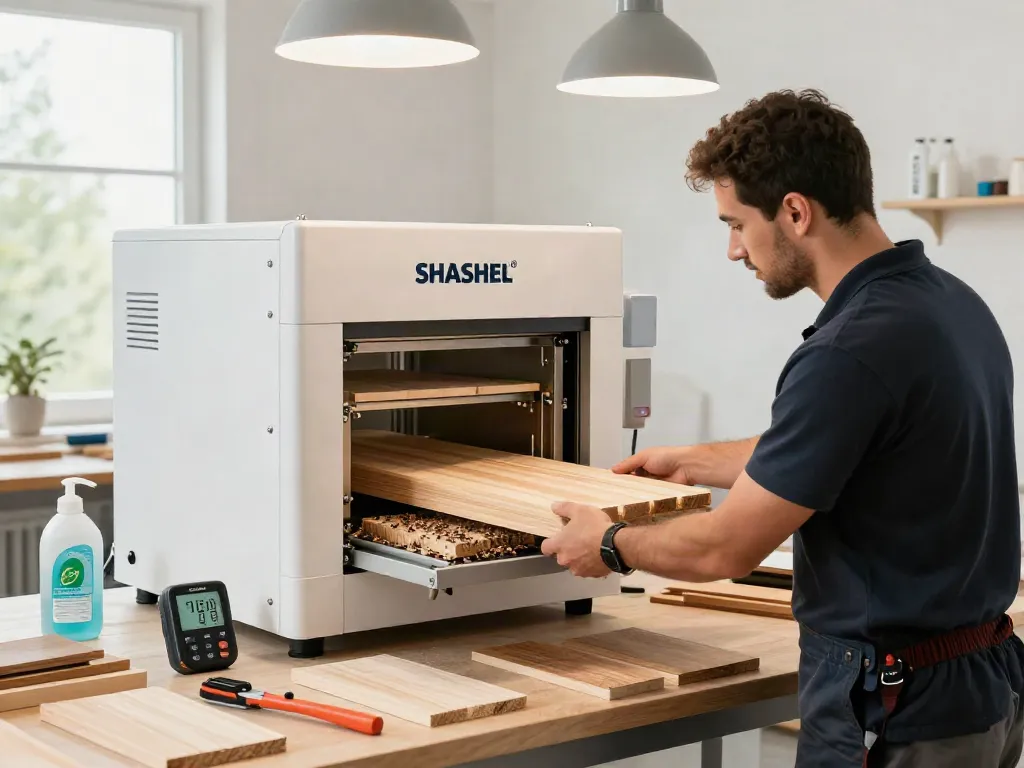
Understanding how to operate SHASHEL® equipment is crucial for effective wood pest control. Follow these steps for optimal results:
- Preparation: Clear the area around the treatment site of any obstructions and ensure that the equipment is positioned properly.
- Setting the Controls: Input the required settings based on wood type and infestation severity into the SHASHEL® machine.
- Initiate Treatment: Turn on the equipment and monitor the process to ensure consistent microwave penetration.
- Post-Treatment Inspection: Once treatment is completed, inspect the treated wood for any residual activity.
Best Practices for Preparing Wood for Treatment
Effective preparation can enhance treatment efficiency. Consider the following best practices:
- Remove Surface Debris: Clean the wood surface to allow microwaves to penetrate effectively.
- Ensure Accessibility: Make sure that all areas of the wood are accessible for full treatment.
- Test Moisture Levels: Wood moisture should be at an optimal level for best results; overly wet or dry wood can impact effectiveness.
Safety Tips When Using Microwave Technology
Safety is paramount when using microwave pest control technology. Keep these tips in mind:
- Wear Protective Gear: Always use appropriate personal protective equipment to safeguard against exposure.
- Follow Operation Manual: Adhere strictly to the manufacturer's guidelines for safe operation.
- Avoid Unauthorized Access: Keep the treatment area restricted to authorized personnel only during operation.
Maximizing the Impact of SHASHEL® Treatment
Post-Treatment Care for Treated Wood
After treatment, proper care of the wood is essential. Here are some tips:
- Avoid Moisture Exposure: Keep the treated area dry to prevent future infestations.
- Regular Monitoring: Check the treated wood periodically for any signs of re-infestation.
- Seal and Finish: Applying a protective sealant can enhance the longevity of the treatment.
Measuring Treatment Success: Key Metrics
To evaluate the effectiveness of SHASHEL® treatments, consider the following metrics:
- Reduction in Pest Activity: Monitor for any signs of pest activity compared to pre-treatment baselines.
- Structural Integrity Check: Assess whether the wood has remained stable and undamaged post-treatment.
- Frequency of Re-infestation: Track how often treated wood remains free from new infestations as a measure of long-term effectiveness.
Case Studies: Successful SHASHEL® Applications
Various case studies illustrate the effectiveness of SHASHEL® in real-world applications:
- Restoration of Historical Buildings: Numerous historic sites have successfully used SHASHEL® technology to treat wood without compromising integrity.
- Commercial Warehouses: Businesses have reported significant reductions in pest-related damages after implementing SHASHEL® solutions.
- Residential Properties: Homeowners have experienced peace of mind with the effective elimination of wood-boring insects.
Future Trends in Pest Control and SHASHEL® Innovations
Emerging Technologies in Wood Preservation
As the pest control industry evolves, new technologies continue to surface. Innovations in nanotechnology and bioengineering show promise for future pest control solutions. Integrating these advancements with existing microwave technology could lead to even more effective treatments.
Predictions for Pest Management in 2026
Looking forward to 2026, we expect a shift towards more integrated pest management systems that combine physical, biological, and chemical methods. The need for eco-friendly solutions will drive the development of advanced technologies like SHASHEL®.
How SHASHEL® is Leading the Charge in Eco-Friendly Solutions
SHASHEL® stands at the forefront of environmentally friendly pest control by providing an effective, chemical-free alternative. Its commitment to sustainability not only addresses current pest control challenges but also aligns with global calls for greener practices in various industries.
FAQs
What types of wood can be treated with SHASHEL®?
SHASHEL® technology is versatile and can be applied to various types of wood, including softwoods and hardwoods, ensuring effective pest control across multiple applications.
How long does the treatment process take?
The treatment process with SHASHEL® is remarkably quick, typically taking only a few minutes to effectively eliminate wood-boring insects.
Is SHASHEL® safe for home use?
Yes, SHASHEL® is designed with safety in mind and is suitable for use in residential settings, provided the operating guidelines are strictly followed.
What maintenance is required for SHASHEL® equipment?
Regular maintenance of SHASHEL® equipment involves routine cleaning and checks to ensure all components function correctly and safely.
Can SHASHEL® eliminate all types of wood pests?
While SHASHEL® is highly effective against most wood-boring insects, it's essential to consult with professionals to ensure it meets specific pest control needs.