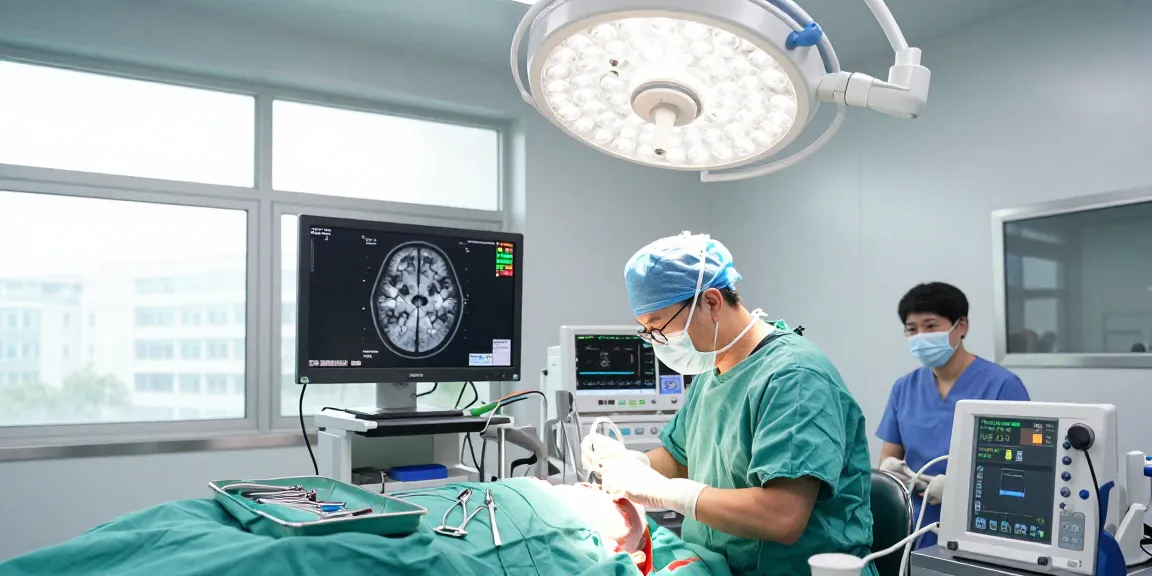
Understanding Beyin Ameliyatı
Beyin ameliyatı is a crucial medical procedure for treating serious neurological conditions such as brain tumors, brain hemorrhages, and other life-threatening disorders. Understanding the various aspects of this surgery is essential for patients and their families, as it can alleviate anxiety and help set realistic expectations. This article will provide an in-depth overview of what beyin ameliyatı entails, including its types, preparation steps, and recovery processes. When exploring options, Beyin ameliyatı offers comprehensive insights into the possible outcomes and procedures.
What is Beyin Ameliyatı?
Beyin ameliyatı refers to surgical procedures performed on the brain to address various medical issues, including tumors, blood clots, and traumatic injuries. The primary goal of such surgeries is to remove or repair the offending lesions while minimizing damage to surrounding healthy tissue. These surgeries can be categorized into several types based on the underlying condition being treated, the techniques employed, and the extent of invasiveness.
Types of Brain Surgery Procedures
Understanding the specific types of beyin ameliyatı is vital for patients facing these decisions. The most common procedures include:
- Beyin Tümörü Ameliyatı: This involves the surgical removal of brain tumors. The approach can vary depending on the tumor's size, location, and type.
- Kapalı Beyin Tümörü Ameliyatı: Utilizes minimally invasive techniques to remove tumors with reduced recovery times and risks.
- Beyin Kanaması Ameliyatı: An emergency procedure to alleviate pressure from bleeding in the brain.
- Uyanık Beyin Ameliyatı (Awake Craniotomy): Conducted while the patient is awake to monitor brain function during surgery.
- Dekompresif Kraniektomi: A procedure to relieve increased intracranial pressure by removing a portion of the skull.
Common Risks Associated with Beyin Ameliyatı
Like all surgeries, beyin ameliyatı carries inherent risks. Some potential complications include:
- Infection
- Bleeding
- Neurological deficits such as speech or motor impairment
- Seizures
- Reactions to anesthesia
Preparing for Your Surgery
Preparation for beyin ameliyatı involves various steps to ensure the best possible outcomes. Each patient's journey is unique, and proper planning can help alleviate anxiety and ensure safety.
Preoperative Evaluations and Assessments
Before undergoing surgery, patients typically undergo a series of evaluations, including imaging studies (such as MRI or CT scans), blood tests, and consultations with the surgical team. These tests help determine the best surgical approach and assess the patient’s overall health.
Patient Requirements and Expectations
Patients should have clear communication with their healthcare providers about their medical history, medications, and any underlying health concerns. Understanding what to expect before, during, and after the procedure can greatly affect anxiety levels and mental preparedness.
Choosing the Right Surgeon and Hospital
Finding an experienced neurosurgeon and a reputable medical facility is crucial for successful outcomes. Researching qualifications, reading patient reviews, and even scheduling consultations can help patients make informed decisions regarding their care.
The Surgical Process Explained
Understanding the surgical process can help demystify beyin ameliyatı, empowering patients and families with knowledge.
Step-by-Step Overview of Beyin Ameliyatı
The surgical process begins with the patient receiving anesthesia, followed by making an incision in the scalp. Depending on the surgery, the surgeon may remove a section of the skull (craniotomy) to access the brain. Once the procedure is complete, the skull is often put back into place, and the incision is stitched closed.
Importance of Imaging and Navigation Technologies
Modern neurosurgery relies heavily on advanced imaging and navigation technologies, which allow surgeons to visualize the brain in real-time and navigate safely through delicate areas. Techniques like intraoperative MRI help ensure that the tumor is removed completely while preserving healthy tissue.
Anesthesia and Its Role in Brain Surgery
Patients undergoing beyin ameliyatı are typically placed under general anesthesia, though some procedures such as awake craniotomies utilize local anesthesia and sedation to keep the patient conscious and responsive during the surgery.
Postoperative Recovery and Care
The recovery process is just as critical as the surgery itself. Understanding what to expect after beyin ameliyatı can help patients and families prepare for the challenges ahead.
What to Expect After Beyin Ameliyatı?
Postoperatively, patients may experience various symptoms such as headache, fatigue, and temporary cognitive difficulties. Monitoring in a specialized recovery unit often follows surgery, where healthcare teams focus on stabilizing the patient's condition.
Common Recovery Challenges and Solutions
During recovery, patients may face challenges such as pain management, mobility issues, or emotional disturbances. Having a robust support system and access to physical and psychological therapy can significantly enhance recovery.
Importance of Rehabilitation and Follow-Up
Rehabilitation plays a vital role in restoring function and enhancing recovery. Follow-up appointments are necessary to monitor progress, adjust medications, and manage any lasting effects of the surgery.
Costs and Insurance Considerations
The financial implications of beyin ameliyatı can vary widely based on several factors, including the type of surgery required, the facility's location, and insurance coverage.
Factors Influencing Beyin Ameliyatı Costs
Costs can be influenced by the complexity of the surgery, the length of the hospital stay, and additional therapies needed throughout recovery. Patients should discuss potential costs with their healthcare providers and insurance companies to ensure comprehensive understanding and planning.
Insurance Coverage Options and Benefits
Many insurance plans cover beyin ameliyatı, but coverage can vary. It’s essential for patients to verify their benefits and any out-of-pocket costs prior to surgery.
Financial Assistance Resources for Patients
Patients may seek financial assistance programs or non-profit organizations designed to help cover medical costs associated with beyin ameliyatı, making the process less stressful financially.
Frequently Asked Questions
What is the success rate of Beyin Ameliyatı?
Success rates for beyin ameliyatı can be high, especially with advancements in technology and surgical techniques. However, outcomes depend on various factors including the condition treated, the patient’s health, and the complexity of the procedure.
How long does recovery take after Beyin Ameliyatı?
Recovery from beyin ameliyatı can vary from several weeks to months based on individual circumstances and the nature of the surgical intervention.
What are the potential complications of Beyin Ameliyatı?
Complications can range from mild to severe and may include persistent headaches, neurological deficits, or more serious issues such as infections or bleeding.
Is Beyin Ameliyatı covered by insurance?
Most insurance plans provide coverage for medically necessary beyin ameliyatı, but it is crucial to confirm specific details with the insurance provider.
How do I prepare for a consultation about Beyin Ameliyatı?
Preparing for a consultation involves compiling medical history, questions for the surgeon, and any previous imaging or reports related to the condition.. Additionally, Beyin ameliyatı provides further details.