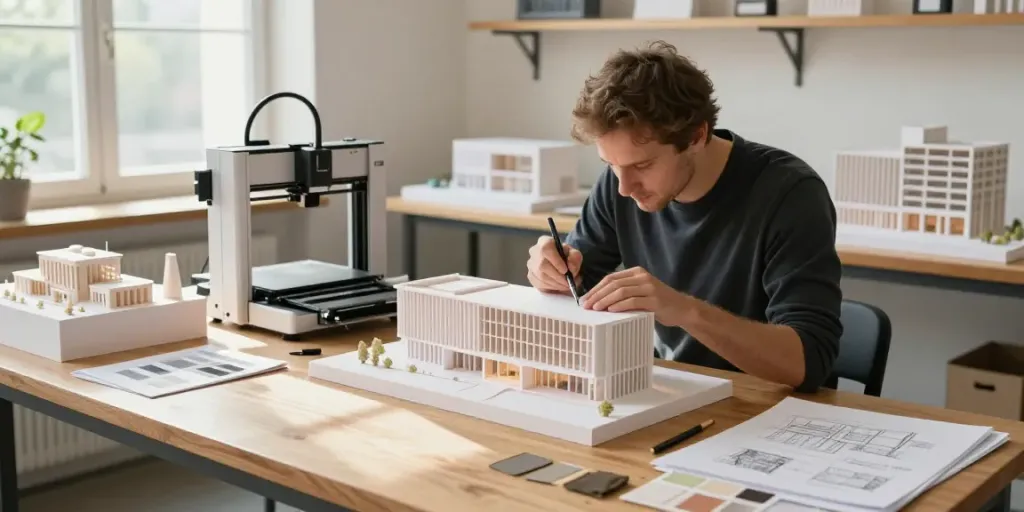
Introduction to Architectural Model Making in Austria
Architectural model making has emerged as a cornerstone in the planning and presentation processes within the construction industry. In Austria, where the confluence of traditional artistry and modern design techniques creates a unique architectural landscape, the demand for high-quality architectural models has never been more pronounced. These models serve not only as tangible representations of proposed structures but also as vital tools for communication among architects, urban planners, and stakeholders. As the industry evolves, architectural model makers in Austria have adapted to incorporate advanced technologies, materials, and methods that enhance the precision and effectiveness of these essential tools. For those seeking insights into the realm of model making, our Architectural model maker Austria offers comprehensive guidance on navigating this intricate landscape.
Understanding the Importance of Architectural Models
Architectural models play a critical role in visualizing and communicating design ideas. They bridge the gap between abstract concepts and concrete reality, allowing clients and stakeholders to engage with projects at various stages of development. In Austria, where architectural innovation meets environmental considerations, models are utilized to assess not only aesthetic appeal but also practical implications, such as environmental impact and community integration. They foster collaboration and understanding among teams, leading to more efficient project execution.
Architectural Model Maker Austria: Key Players in the Industry
The architectural model making industry in Austria is supported by a range of specialized companies that utilize advanced technology and craftsmanship to produce high-quality models. These architectural model makers have established reputations for their ability to convert architectural visions into tangible realities, serving clients across cities like Vienna, Graz, and Salzburg. Through the integration of modern technology and traditional techniques, these key players are responding to the growing demand for detailed and accurate representations of architectural projects.
Benefits of Utilizing Architectural Models
- Enhanced Visualization: Architectural models provide a three-dimensional perspective that aids in understanding spatial relationships and proportions.
- Improved Communication: Models facilitate discussions among architects, clients, and stakeholders, leading to more informed decision-making.
- Problem Identification: By visualizing designs, potential issues can be identified and addressed early in the planning process.
- Marketing Tool: Detailed models can effectively showcase projects to potential investors and buyers, increasing trust and interest.
Types of Architectural Models
In Austria, various types of architectural models are developed to suit different needs and applications. From large-scale urban planning models to intricate interior designs, each type serves a distinct purpose within the architectural workflow.
Industrial and City Planning Models
Industrial models are essential for visualizing processes and layouts of factories and power plants. These models help stakeholders understand complex industrial designs and operations. Conversely, city planning models are invaluable for urban planners, showcasing entire districts or cities in a manner that aids in assessing urban development strategies and infrastructure integration.
Environmental and Competition Models
Environmental models simulate the interplay between proposed projects and their surrounding context, helping assess environmental impacts effectively. Competition models, often used in design competitions, require high levels of detail and precision to present concepts that stand out to jurors, playing a pivotal role in garnering support for innovative designs.
Interior and Facade Models
Interior models focus specifically on the design of spaces within buildings, allowing for a better understanding of layouts, materials, and aesthetics. Facade models, on the other hand, highlight the external appearance and functional aspects of building designs, crucial for verifying architectural intentions and compliance with regulations.
Production Techniques and Materials
The production of architectural models involves a blend of skilled craftsmanship and modern technology. In Austria, model makers utilize various materials and techniques to achieve the desired fidelity and quality in their models.
Key Materials Used in Model Making
Architectural models can be crafted from a range of materials, including:
- Wood: Provides an authentic look and feel, suitable for a variety of model types.
- Acrylic: Offers clarity and precision, often used for contemporary designs.
- Cardboard and Foam Board: Cost-effective options that allow for rapid prototyping and adjustments.
- 3D-Printed Materials: Enable intricate designs to be manufactured with high accuracy and detail.
Advanced Techniques for Precision
Modern techniques such as 3D printing, CNC milling, and laser cutting play a crucial role in the accuracy of architectural models. These technologies allow for the production of complex geometries and intricate details that are increasingly in demand in today's architectural landscape.
Collaboration with Architects and Developers
Successful model making in Austria often involves close collaboration between model makers and architects or developers. By understanding the vision and requirements of a project, model makers can ensure that the final product meets client expectations and serves its intended purpose effectively.
Case Studies: Successful Architectural Model Projects
Examining successful architectural model projects provides insights into the potential and versatility of model making in Austria. Notable projects have utilized models to demonstrate innovative designs, assess environmental impacts, and facilitate stakeholder engagement.
Highlighting Innovative Projects in Austria
One prominent example is the model developed for the planned redevelopment of Vienna's urban area, which showcases how new structures will integrate with existing environments, maintaining historical aesthetics while promoting modern functionality.
Lessons Learned from Model Making Challenges
Challenges in model making often lead to valuable lessons. For instance, navigating time constraints necessitates efficient workflows and effective communication among team members, ensuring that high-quality models are produced within tight deadlines.
Impact of Models on Client Communication and Sales
Architectural models serve as powerful tools for client communication. By enabling clients to visualize projects in three dimensions, model makers enhance understanding and generate enthusiasm, significantly impacting sales and investment opportunities.
Future Trends in Architectural Model Making
The future of architectural model making in Austria is poised for transformation, driven by advancements in technology and changing client expectations. Emerging trends indicate a shift towards more interactive and sustainable practices in the industry.
Integration of Virtual and Augmented Reality
Virtual Reality (VR) and Augmented Reality (AR) are set to revolutionize architectural visualization. These technologies allow clients to experience models in immersive environments, enhancing engagement and feedback during the design process.
Sustainability Practices in Model Production
As awareness of environmental issues grows, the use of sustainable materials and methods in model production is becoming increasingly important. Eco-friendly materials not only appeal to environmentally conscious clients but also align with contemporary architectural practices.
Custom Solutions and Smart Technologies
The demand for tailored solutions reflects a broader trend towards personalization in architectural design. Furthermore, the integration of smart technologies into models enables dynamic representations of projects, facilitating a better understanding of functional interactions within architectural designs.
What to Expect in 2026 and Beyond
By 2026, architectural model making is expected to further embrace innovations in design and technology. Increased collaboration between architects and model makers will likely yield models that not only showcase design but also serve analytical purposes, such as simulations of environmental impacts and user interactions.
How to Choose the Right Architectural Model Maker?
When selecting an architectural model maker in Austria, consider factors such as their portfolio, range of services, and technological capabilities. A good model maker should demonstrate a strong understanding of architectural principles and have experience with various types of models. Collaboration and communication skills are also essential for ensuring that project requirements are met effectively.