









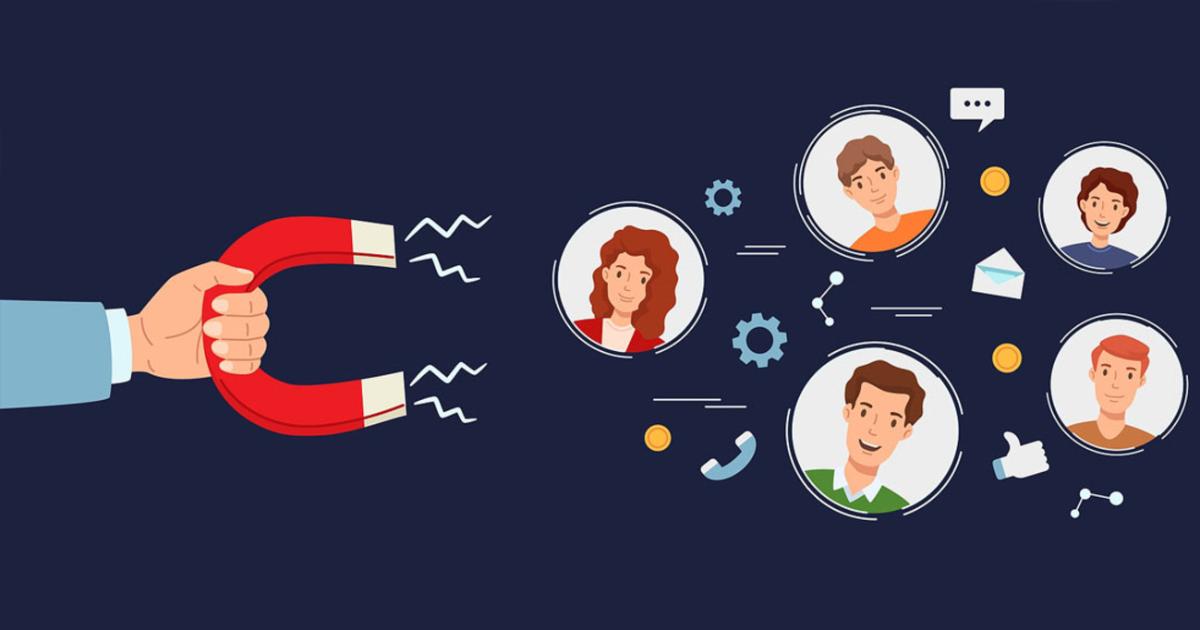
Every customer interaction with your brand—from a first ad impression to a post-purchase survey—forms a single, continuous story. When that story is disjointed, customers get frustrated and opportunities vanish. The goal of modern performance marketing is not just to generate leads but to orchestrate a seamless, efficient, and persuasive narrative from awareness to advocacy. This process of streamlining the customer journey is the strategic backbone that transforms sporadic marketing activities into a cohesive growth engine. It requires moving beyond isolated campaigns to a holistic view of how each touchpoint influences behavior and business outcomes.
This article breaks down the essential performance marketing concepts you need to understand and implement. We will explore how to map the journey accurately, align messaging across channels, leverage automation for personalization, and, most critically, measure what truly matters. By mastering these fundamentals, you can eliminate friction, accelerate conversions, and build a marketing operation that consistently delivers measurable value.
Defining the Performance Marketing Mindset
At its core, performance marketing is a results-driven discipline. Every dollar spent is tied to a specific, measurable action: a click, a lead, a sale, or another defined key performance indicator (KPI). This accountability is what distinguishes it from purely brand-focused efforts. However, the most sophisticated practitioners understand that true performance isn’t about optimizing a single ad in a vacuum. It’s about optimizing the entire series of events that lead to that desired action.
This mindset shifts the focus from channel-specific wins to journey-wide efficiency. Instead of asking, “How did our Facebook ad perform?” you ask, “How did our Facebook ad contribute to moving prospects through the consideration stage and into a sales conversation?” This holistic perspective is what makes marketing a strategic function rather than a tactical one. It forces alignment between teams, budgets, and technologies around the singular objective of creating a superior customer experience that also happens to be highly trackable and efficient.
Mapping the Modern Customer Journey
You cannot streamline a process you don’t understand. The first critical step is moving from a theoretical marketing funnel (Awareness, Consideration, Decision) to a detailed, data-informed journey map. This map should catalog every potential touchpoint a customer has with your brand, across all channels.
Identify Key Touchpoints and Micro-Moments
A touchpoint is any instance of contact. This includes paid search ads, blog posts, product demos, customer service chats, and even review site ratings. Modern journeys are non-linear; a prospect might see a retargeting ad on LinkedIn, read an independent review, then use a live chat widget on your site—all before their first meaningful conversation with your team. Mapping these micro-moments reveals where prospects experience confusion, delay, or unnecessary repetition.
Pinpoint Friction and Drop-Off
Use analytics tools to attach behavioral data to your map. Where are the highest drop-off rates on your landing pages? At which stage do sales-qualified leads most often stall? Common friction points include mismatched messaging between an ad and its landing page, lengthy or complicated forms, lack of clear next steps, and slow response times. Identifying these leaks is the prerequisite for fixing them.
Core Concepts for Journey Orchestration
With a detailed map in hand, you can apply specific performance marketing concepts to create a smoother flow.
Audience Segmentation and Personalization: Treating all visitors the same creates a generic, inefficient journey. Segmentation allows you to tailor the experience based on behavior, source, or demographic data. A visitor arriving from a blog post about “advanced solutions” should see different messaging and offers than one coming from a generic brand search. Dynamic content on websites and in email workflows is a primary tool for this personalization at scale.
Channel Integration and Message Consistency: Your messaging must maintain a coherent thread. The promise made in a YouTube video should be reinforced in the subsequent email nurture sequence and reflected on the pricing page. Siloed channel management leads to a jarring customer experience. Integration means ensuring data flows between platforms (e.g., your ad platform informs your CRM) so that a customer’s actions in one channel influence what they see in another.
Automation for Timely Engagement: Speed and relevance are currencies of the modern journey. Marketing automation platforms enable you to trigger communications based on user behavior. If a prospect downloads an e-book on a specific topic, an automated email series can deliver related case studies the next day. If a user abandons a cart, a retargeting ad can remind them within hours. This automated, timely engagement guides prospects forward without manual intervention, a fundamental tactic in effective B2B marketing and B2C strategies alike.
Measurement: The Data That Drives Improvement
The “performance” in performance marketing is meaningless without rigorous measurement. Streamlining the journey requires looking beyond surface-level vanity metrics.
Focus on Journey-Focused KPIs: While clicks and impressions have their place, prioritize metrics that reflect journey health. Key indicators include:
● Customer Acquisition Cost (CAC): The total cost to acquire a new customer across all touchpoints.
● Time-to-Conversion: The average duration from first touch to closed deal. Streamlining should reduce this.
● Channel Attribution: Understanding which channels initiate, assist, and close deals (using models like data-driven or time-decay attribution, not just last-click).
● Micro-Conversion Rates: The completion rates for smaller steps (newsletter sign-ups, demo requests, etc.) that signal progression.
Continuous Testing and Optimization: Streamlining is not a one-time project. It requires a culture of continuous A/B testing and experimentation. Test different subject lines in your nurture emails, different form lengths on landing pages, different call-to-action buttons, and different ad creative. Each test provides data to incrementally reduce friction and improve the flow of the journey.
Technology Stack Considerations
No marketer can manually track and personalize a complex journey. The right technology stack is an enabler. At a minimum, you need a robust CRM to track prospect and customer interactions, a marketing automation platform for executing sequenced communications, and a comprehensive analytics platform (like Google Analytics 4) to track cross-channel behavior. Increasingly, Customer Data Platforms (CDPs) are used to create unified customer profiles from disparate data sources, providing the single customer view essential for true personalization and journey analysis.
Frequently Asked Questions
What’s the difference between a sales funnel and a customer journey map?
A sales funnel is a theoretical, linear model that broadly categorizes stages (Awareness, Consideration, Decision). A customer journey map is a practical, visual document that details every specific interaction (touchpoint) a customer has with your brand, including their emotions, pain points, and the channels used. The map is based on real data and shows the often non-linear, looping path customers actually take.
How long does it take to see results from streamlining efforts?
Results can appear in stages. Quick wins, like fixing a broken form or aligning ad-to-landing page messaging, can improve conversion rates in a matter of weeks. More strategic overhauls, involving new automation flows or technology integration, may take several months to fully implement and show measurable impact on metrics like CAC or time-to-conversion.
Is this only relevant for e-commerce businesses?
No. While e-commerce has a highly trackable digital journey, the concept is critical for all businesses. For B2B and service-based companies, the journey includes offline touchpoints like sales calls and proposals. The goal remains the same: to map, understand, and optimize every step that influences a prospect’s decision to build a measurable, efficient path to revenue.
What’s the most common mistake when starting this process?
The most common mistake is assuming you know the journey without consulting data. Teams often create a journey map based on internal beliefs rather than actual analytics and customer feedback. Always start with quantitative data (web analytics, CRM data) and qualitative insights (surveys, user testing) to build an accurate, unbiased foundation.
Can you streamline the journey with a limited budget?
Absolutely. Streamlining begins with strategy, not expensive software. You can start by manually mapping touchpoints using free analytics, conducting customer interviews, and implementing basic A/B tests on your website and emails. Prioritizing fixes for the biggest friction points identified often yields significant returns without a large upfront investment.
Conclusion
Streamlining the customer journey is not a peripheral marketing tactic; it is the central organizing principle for a modern, effective performance marketing strategy. It demands a shift from chasing isolated conversions to architecting a cohesive experience where every element—from the first ad to post-sale support—works in concert. The core concepts of detailed journey mapping, audience personalization, cross-channel integration, and journey-focused measurement provide the framework for this work.
Mastering these fundamentals allows businesses to systematically remove friction, build trust through consistent and timely engagement, and ultimately drive more revenue from their existing marketing spend. In an environment where customer expectations for seamless experiences are higher than ever, this disciplined approach to optimizing the end-to-end journey is what separates stagnant campaigns from scalable, predictable growth engines. The path to superior performance is, quite literally, the path you build for your customer.